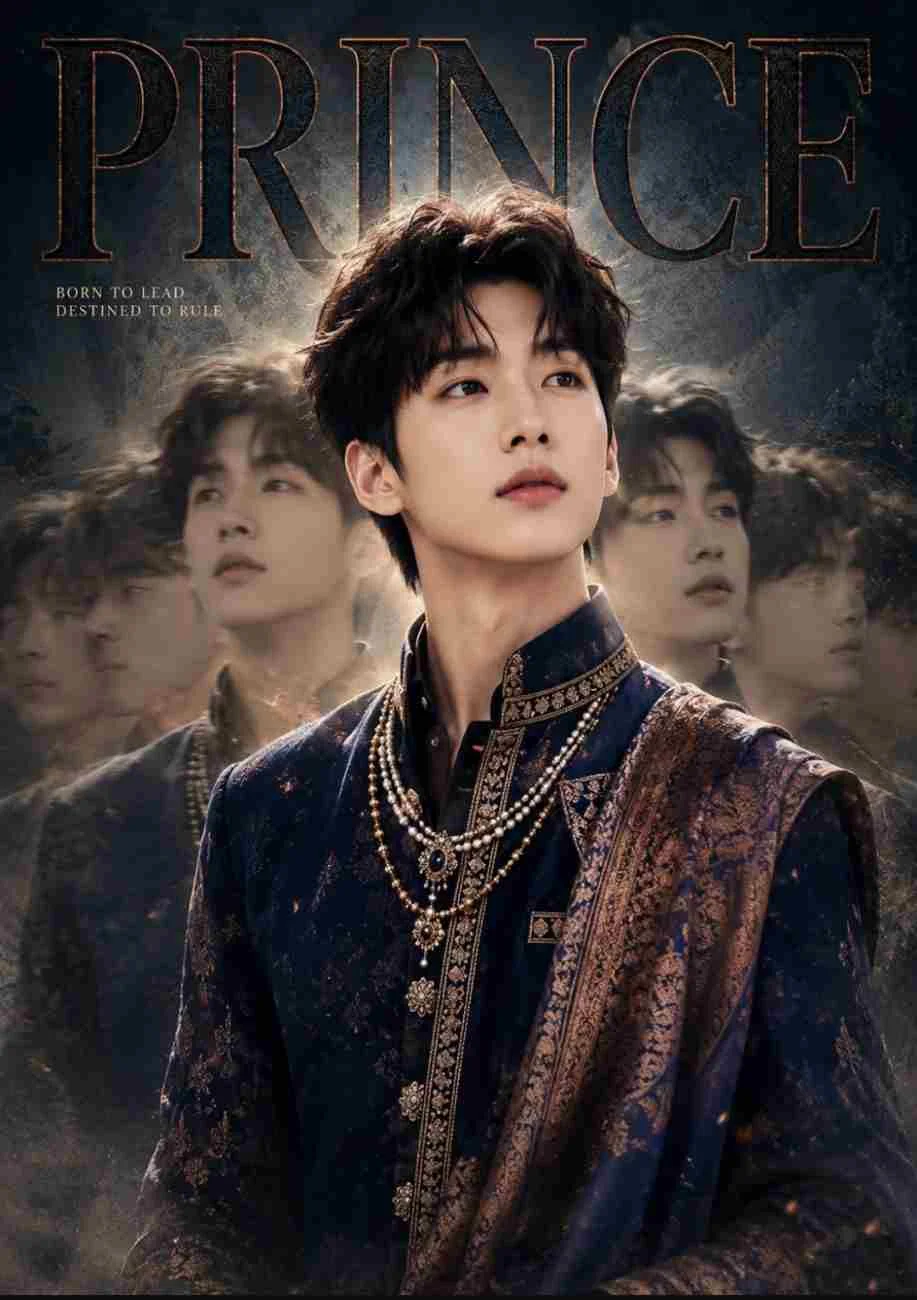
The prompt defines the subject, layout, negative space, and graphic treatment so the result can support a clear poster composition. Its strongest visual cues are ai art, sci fi portrait, volumetric particles.
image prompt
Convert the uploaded image into high-contrast monochrome graphics using particles. The object is completely recreated from thousands of tiny glowing white dots and voxel-like particles on a pure black background. Use point cloud scattering, volumetric particles, halftone density gradients, and scattered noise trails to define a silhouette. Keep the original composition and pose of the object, but simplify the details to pure geometric shapes. The style should be similar to a futuristic visualization of architecture with artificial intelligence mixed with experimental generative art. Visual characteristics: • black background only; • clusters of white particles forming the subject; • barely noticeable floating debris and dissolving particles around the edges; • rare orange/red accent particles (very minimal). • cinematic negative space • ultraminimum * soft color glow on dense areas of particles • depth created by particle density • abstract but recognizable silhouette • lack of realistic textures • no colors except black and white, and tiny orange accents • Aesthetics of brutal futuristic design • Clear composition • Vertical poster layout • Small voxel/dot cloud rendering effect • High contrast • Generative artificial intelligence style • Experimental architectural visualization Aesthetic typography: small monospatial typography, placed minimally on the left and right, similar to futuristic design posters, only white text subtle and secondary to the rendering style of artwork: 3D rendering, point cloud modeling, particle system rendering, volumetric dispersion, procedural dots, cinematic lighting, over-detailed, abstract minimalism Disadvantages: realistic shading, picturesque textures, colorful background, low contrast, photorealism, messy composition, additional objects, blurring, noisy artifacts, low resolution, 4:5
Art direction controls: {{colorPalette}}, {{composition}}, {{mood}}.
Tune the prompt, not the plumbing.
Every control comes from this prompt’s content schema. Changes stay in your browser and update instantly.
Customized prompt1996 characters
Convert the uploaded image into high-contrast monochrome graphics using particles. The object is completely recreated from thousands of tiny glowing white dots and voxel-like particles on a pure black background. Use point cloud scattering, volumetric particles, halftone density gradients, and scattered noise trails to define a silhouette. Keep the original composition and pose of the object, but simplify the details to pure geometric shapes. The style should be similar to a futuristic visualization of architecture with artificial intelligence mixed with experimental generative art. Visual characteristics: • black background only; • clusters of white particles forming the subject; • barely noticeable floating debris and dissolving particles around the edges; • rare orange/red accent particles (very minimal). • cinematic negative space • ultraminimum * soft color glow on dense areas of particles • depth created by particle density • abstract but recognizable silhouette • lack of realistic textures • no colors except black and white, and tiny orange accents • Aesthetics of brutal futuristic design • Clear composition • Vertical poster layout • Small voxel/dot cloud rendering effect • High contrast • Generative artificial intelligence style • Experimental architectural visualization Aesthetic typography: small monospatial typography, placed minimally on the left and right, similar to futuristic design posters, only white text subtle and secondary to the rendering style of artwork: 3D rendering, point cloud modeling, particle system rendering, volumetric dispersion, procedural dots, cinematic lighting, over-detailed, abstract minimalism Disadvantages: realistic shading, picturesque textures, colorful background, low contrast, photorealism, messy composition, additional objects, blurring, noisy artifacts, low resolution, 4:5
Art direction controls: deep cobalt, warm cream, and charcoal, a centered hero composition with deliberate negative space, quiet and editorial.
Useful structure, room to move.
The prompt defines the subject, layout, negative space, and graphic treatment so the result can support a clear poster composition. Its strongest visual cues are ai art, sci fi portrait, volumetric particles.
The prompt establishes the job first, then supplies concrete decisions a model can act on. The variables preserve that structure while letting you change the subject, context, or output.