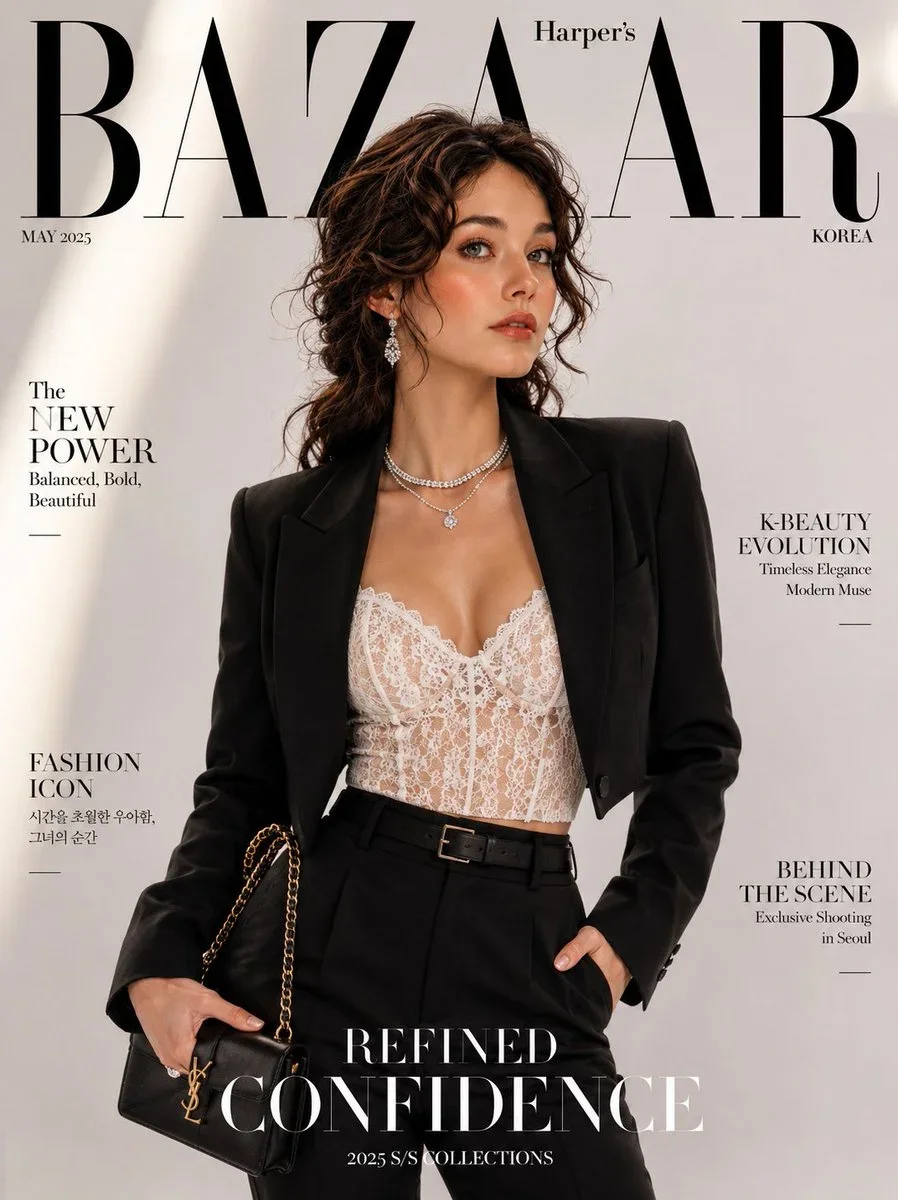
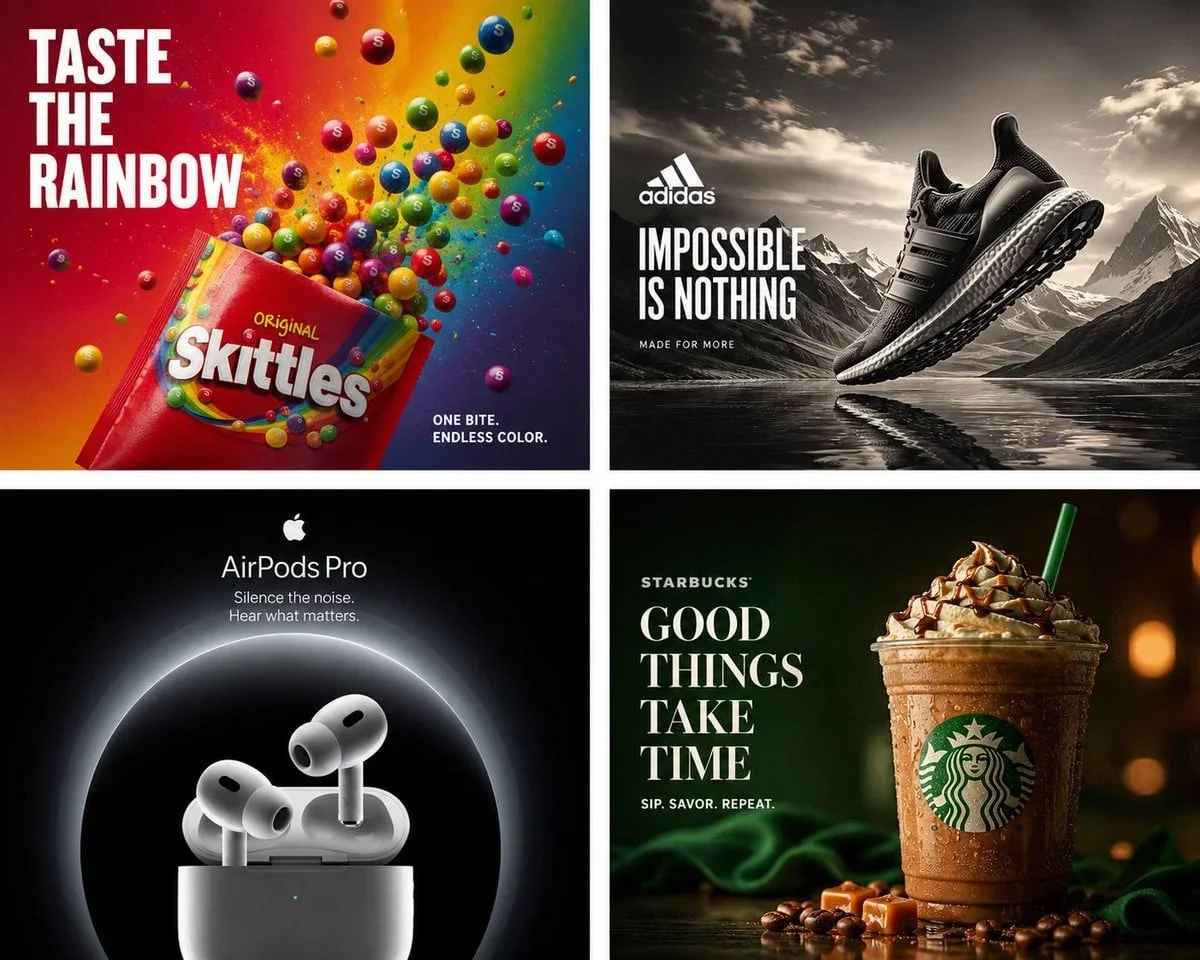
The prompt coordinates layout, type or mark placement, color, and material treatment so the result feels designed rather than decorated. Its strongest visual cues are minimal, luxury, commercial.
image prompt
Use the uploaded product image as the single source of truth.
Create one premium 16:9 campaign image where the product is the only suspect in a clean forensic-style scene.
Build a refined editorial composition where the product sits calmly as the hero, while 3–5 carefully controlled physical clues around it all point to ONE clear product benefit, behavior, or experience.
Do not show the product in action.
Do not explain the clues.
Let the viewer solve the ad.
The scene should feel like a luxury visual investigation: clean, minimal, precise, cinematic, and highly intentional. Every clue must be physically believable and connected to the same invisible event caused by the product.
Possible clues may include residue, droplets, crumbs, displaced objects, impressions, scratches, condensation, fibers, folds, liquid traces, reflections, steam marks, dust, pressure marks, or other realistic evidence depending on the product.
Preserve the product exactly: shape, proportions, packaging, logo, label, typography, colors, materials, textures, and all visible details. Do not redesign, recolor, distort, duplicate, or invent features.
Silently generate multiple evidence-based concepts, evaluate them for visual hook, clarity, originality, realism, and brand fit, then produce only the strongest one.
Add the authentic brand logo naturally and create one original headline of two words maximum that becomes more meaningful once the viewer understands the clues.
Use bold editorial framing, refined negative space, cinematic lighting, tactile material detail, clean hierarchy, and premium commercial realism.
Output one standalone image only.
16:9. No grid, no collage, no split screen, no miniature world, no duplicated product, no police clichés, no evidence-number cards, no arrows, no infographic elements, no mockup presentation, and no random text.
Art direction controls: {{colorPalette}}, {{composition}}, {{mood}}.
Tune the prompt, not the plumbing.
Every control comes from this prompt’s content schema. Changes stay in your browser and update instantly.
Customized prompt2011 characters
Use the uploaded product image as the single source of truth.
Create one premium 16:9 campaign image where the product is the only suspect in a clean forensic-style scene.
Build a refined editorial composition where the product sits calmly as the hero, while 3–5 carefully controlled physical clues around it all point to ONE clear product benefit, behavior, or experience.
Do not show the product in action.
Do not explain the clues.
Let the viewer solve the ad.
The scene should feel like a luxury visual investigation: clean, minimal, precise, cinematic, and highly intentional. Every clue must be physically believable and connected to the same invisible event caused by the product.
Possible clues may include residue, droplets, crumbs, displaced objects, impressions, scratches, condensation, fibers, folds, liquid traces, reflections, steam marks, dust, pressure marks, or other realistic evidence depending on the product.
Preserve the product exactly: shape, proportions, packaging, logo, label, typography, colors, materials, textures, and all visible details. Do not redesign, recolor, distort, duplicate, or invent features.
Silently generate multiple evidence-based concepts, evaluate them for visual hook, clarity, originality, realism, and brand fit, then produce only the strongest one.
Add the authentic brand logo naturally and create one original headline of two words maximum that becomes more meaningful once the viewer understands the clues.
Use bold editorial framing, refined negative space, cinematic lighting, tactile material detail, clean hierarchy, and premium commercial realism.
Output one standalone image only.
16:9. No grid, no collage, no split screen, no miniature world, no duplicated product, no police clichés, no evidence-number cards, no arrows, no infographic elements, no mockup presentation, and no random text.
Art direction controls: deep cobalt, warm cream, and charcoal, a centered hero composition with deliberate negative space, quiet and editorial.
Useful structure, room to move.
The prompt coordinates layout, type or mark placement, color, and material treatment so the result feels designed rather than decorated. Its strongest visual cues are minimal, luxury, commercial.
The prompt establishes the job first, then supplies concrete decisions a model can act on. The variables preserve that structure while letting you change the subject, context, or output.