Illustration
Nautical Knot Diagram
Nautical Knot Diagram: Create a cohesive illustration with purposeful shape language, palette, and visual storytelling.
The direction connects subject, composition, rendering style, and texture so stylization remains consistent throughout the image. Its strongest visual cues are photorealistic, photography, cinematic.
Every control comes from this prompt’s content schema. Changes stay in your browser and update instantly.
The direction connects subject, composition, rendering style, and texture so stylization remains consistent throughout the image. Its strongest visual cues are photorealistic, photography, cinematic.
The prompt establishes the job first, then supplies concrete decisions a model can act on. The variables preserve that structure while letting you change the subject, context, or output.
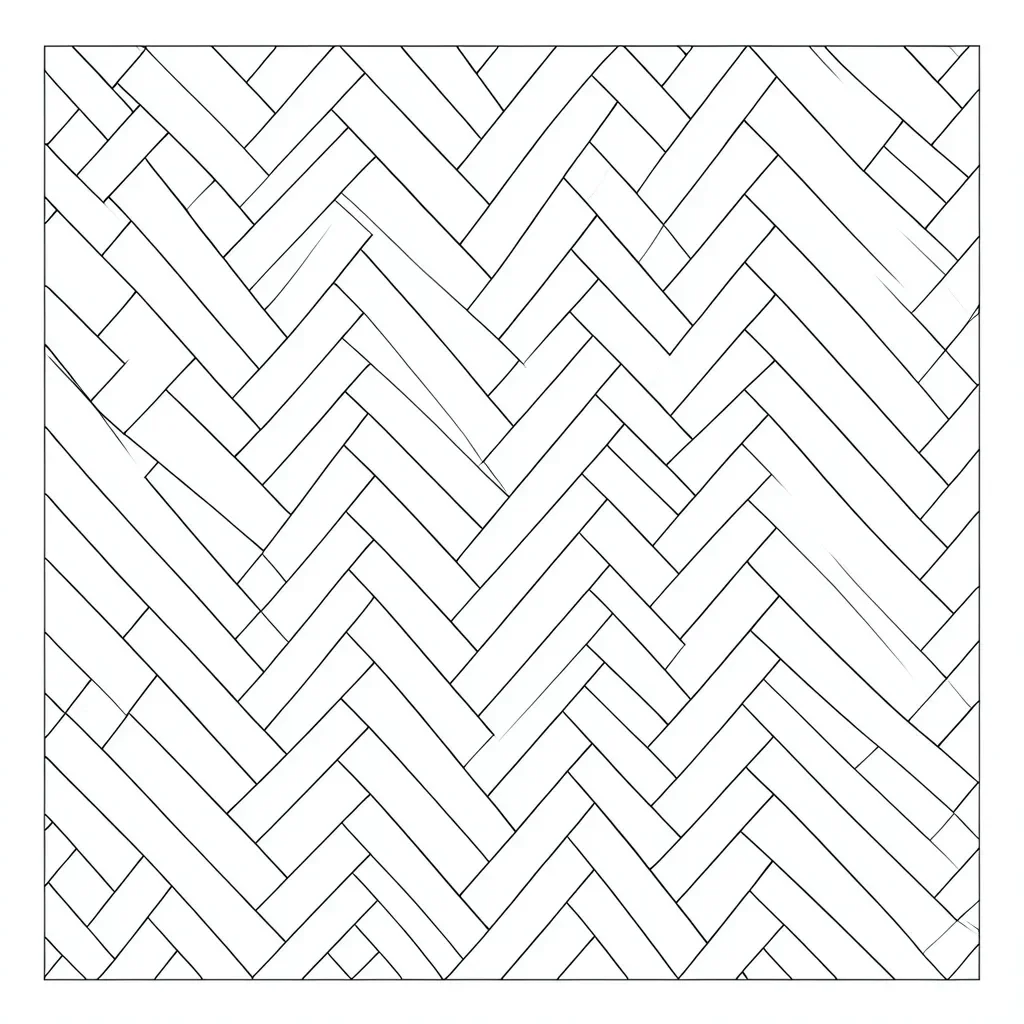
Herringbone Parquet Floor Pattern: Create a cohesive illustration with purposeful shape language, palette, and visual storytelling.
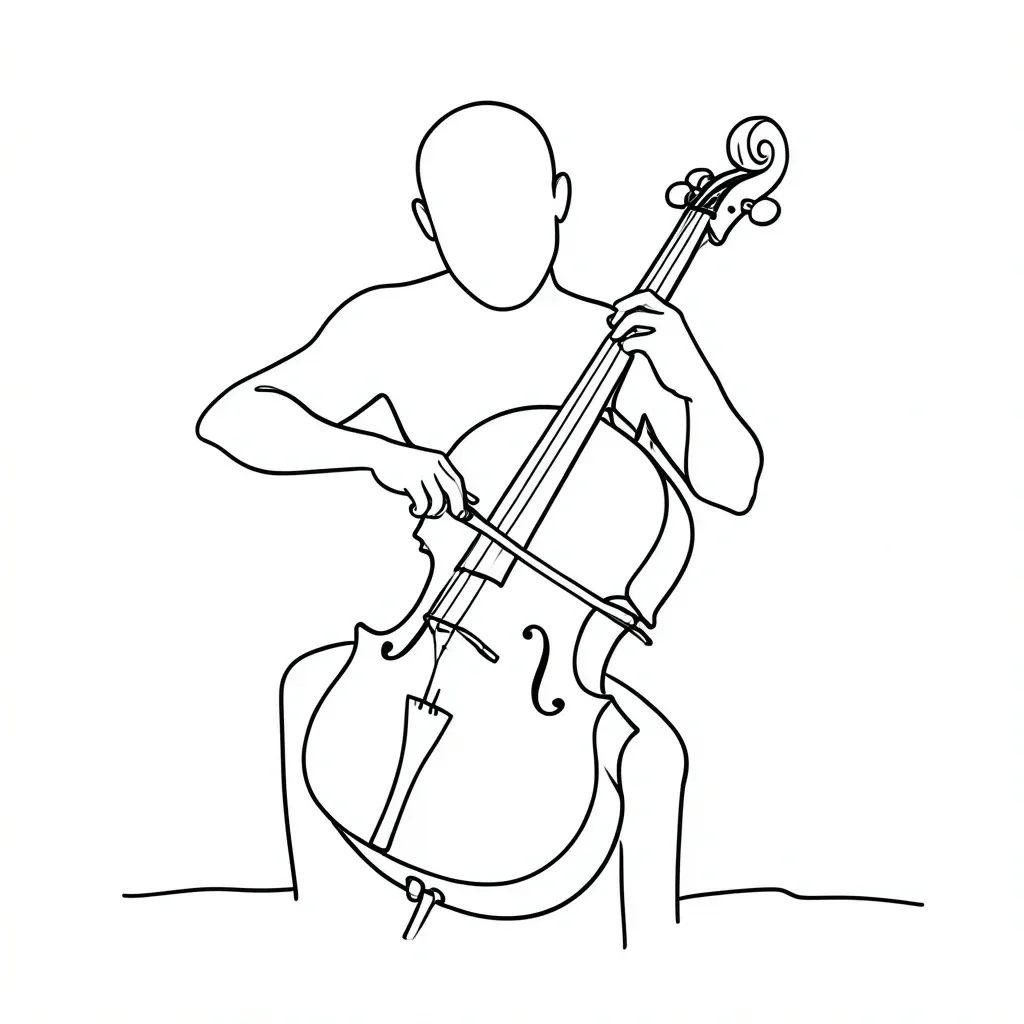
Continuous-Line Cellist Mid-Bow: Create a cohesive illustration with purposeful shape language, palette, and visual storytelling.
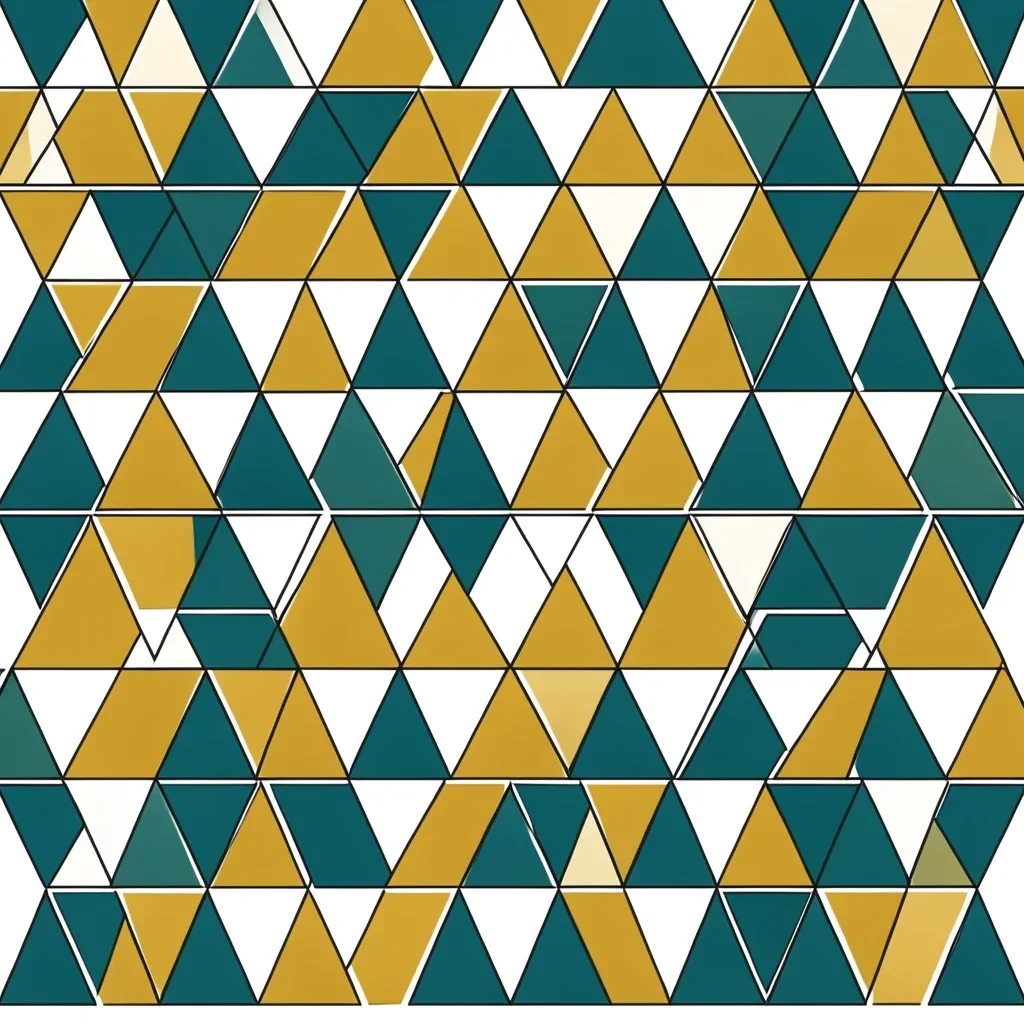
Geometric Triangles Seamless Pattern: Create a cohesive illustration with purposeful shape language, palette, and visual storytelling.
Mid-Century Atomic Starburst Seamless Pattern: Create a cohesive illustration with purposeful shape language, palette, and visual storytelling.