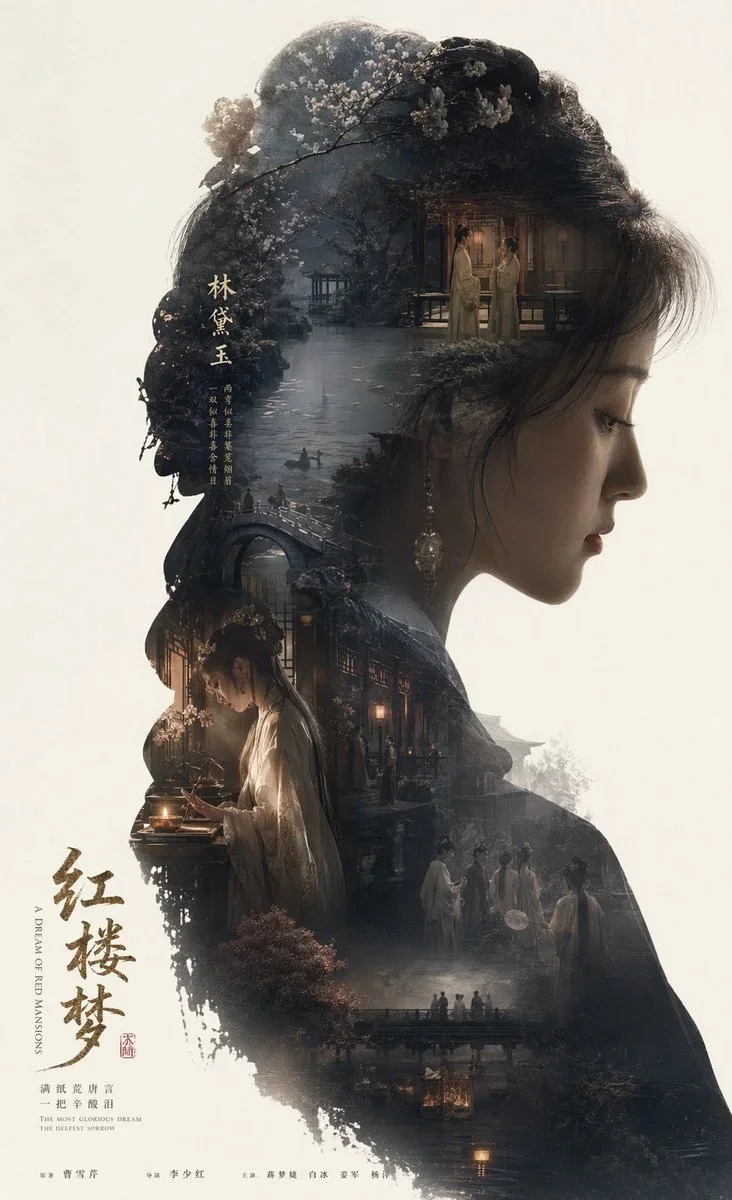
The prompt

The prompt defines the subject, layout, negative space, and graphic treatment so the result can support a clear poster composition. Its strongest visual cues are poster, photorealistic, architecture.

image prompt
Create a propaganda poster themed around the character “BLANKA” with a consistent and hierarchical main visual composition. Poster structure: Top (top half): Use the character’s head, facial features, mask, or half-body silhouette as the main large-sized visual element, forming an easily recognizable iconic image. Middle to bottom: Place the full-length character as the second subject, with a stable standing pose or light movement, serving as the center of the visual composition. Visual style: Use double exposure and narrative collage techniques in and around the character’s large silhouette. Combine various elements such as: layered scenes additional images small character interactions supporting elements environmental backgrounds all arranged in layers of clouds, ink, and white negative space. Additional composition: Place supporting elements on the left and right to create narrative tension and spatial variation. Add a vertical flowing visual line connecting: main character internal collage elements large silhouette at the top to reinforce visual continuity. Aesthetics: Maintain the use of large amounts of negative space. The edges are processed with the effects of: ink diffusion soft blur visual fragmentation to create a poetic and “breathing” Eastern aesthetic. Add more pop and striking colors Overall style: Consistent, premium, and refined. Focus on: visual layering narrative key visual impact visual language of serial posters Size: A4 Art direction controls: {{colorPalette}}, {{composition}}, {{mood}}.

Tune the prompt, not the plumbing.

Every control comes from this prompt’s content schema. Changes stay in your browser and update instantly.

Color palette
Composition
Mood
Customized prompt1610 characters
Create a propaganda poster themed around the character “BLANKA” with a consistent and hierarchical main visual composition. Poster structure: Top (top half): Use the character’s head, facial features, mask, or half-body silhouette as the main large-sized visual element, forming an easily recognizable iconic image. Middle to bottom: Place the full-length character as the second subject, with a stable standing pose or light movement, serving as the center of the visual composition. Visual style: Use double exposure and narrative collage techniques in and around the character’s large silhouette. Combine various elements such as: layered scenes additional images small character interactions supporting elements environmental backgrounds all arranged in layers of clouds, ink, and white negative space. Additional composition: Place supporting elements on the left and right to create narrative tension and spatial variation. Add a vertical flowing visual line connecting: main character internal collage elements large silhouette at the top to reinforce visual continuity. Aesthetics: Maintain the use of large amounts of negative space. The edges are processed with the effects of: ink diffusion soft blur visual fragmentation to create a poetic and “breathing” Eastern aesthetic. Add more pop and striking colors Overall style: Consistent, premium, and refined. Focus on: visual layering narrative key visual impact visual language of serial posters Size: A4 Art direction controls: deep cobalt, warm cream, and charcoal, a centered hero composition with deliberate negative space, quiet and editorial.

Useful structure, room to move.

The prompt defines the subject, layout, negative space, and graphic treatment so the result can support a clear poster composition. Its strongest visual cues are poster, photorealistic, architecture.

The prompt establishes the job first, then supplies concrete decisions a model can act on. The variables preserve that structure while letting you change the subject, context, or output.

Poster Photorealistic Architecture — image prompt preview