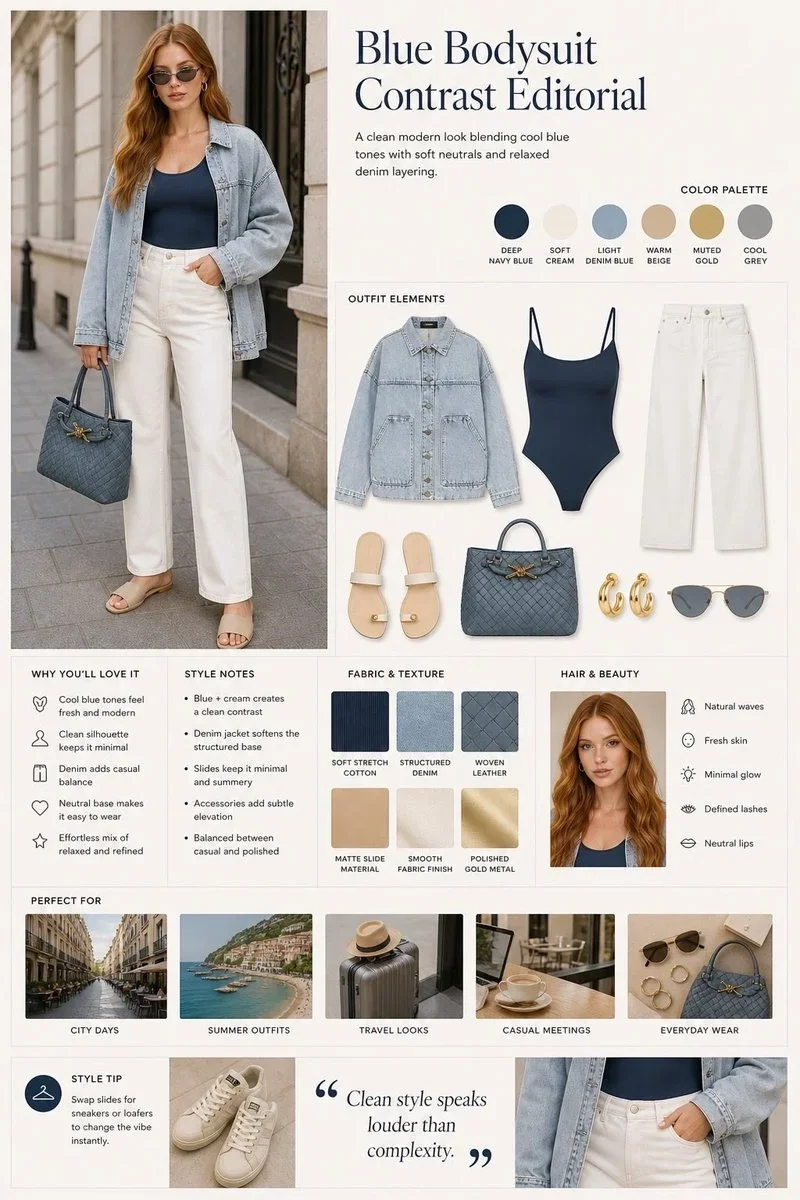
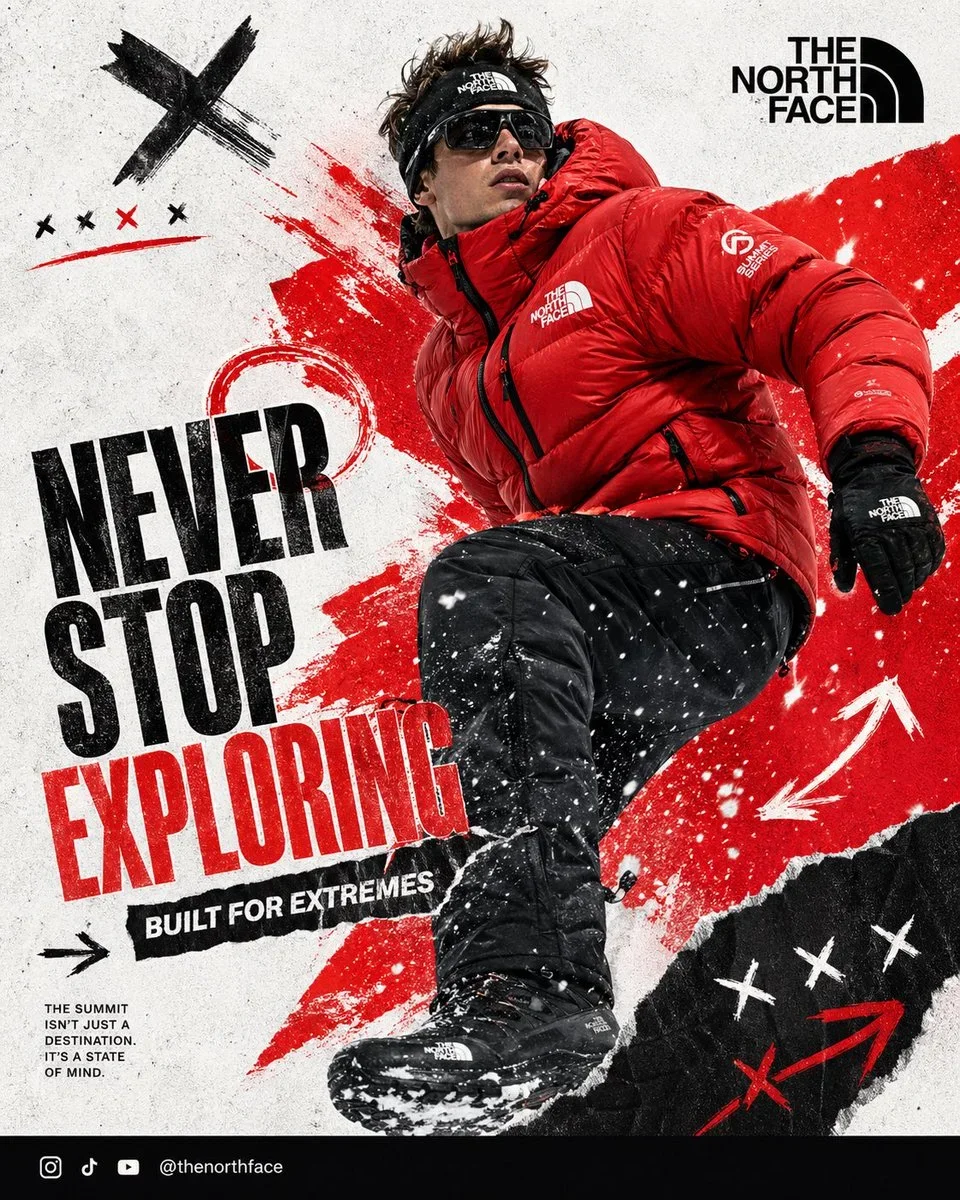
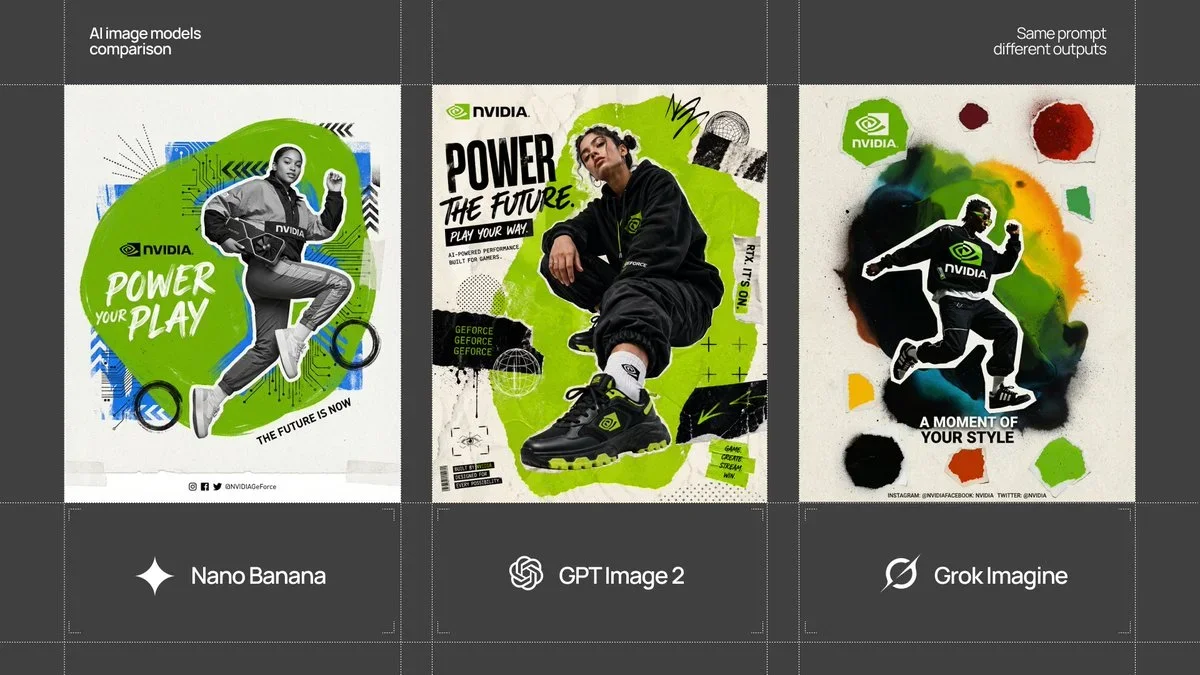
The direction balances information, typography, shape, spacing, and color so the composition communicates before it decorates. Its strongest visual cues are minimal, food, photorealistic.
image prompt
A sleek, modern 3-page editorial food magazine spread shown as three vertical panels side-by-side. Theme: “Crispy Cabbage Korean-Inspired Rice Bowl”.
Style: minimal, clean, high-end food magazine aesthetic. Use lots of white space, grid layout, bold sans-serif typography, and subtle color accents (green, orange, black). Mix sharp photorealistic food images with simple geometric diagrams and elegant infographics. No scrapbook elements.
LEFT PANEL (Page 1):
Large, high-quality hero photo of a rice bowl with crispy cabbage and a glossy fried egg. Clean title: “Crispy Cabbage Rice Bowl”.
Short subtitle below.
Sections:
- “Why It’s Trending” (short text blocks)
- Minimal “Flavor Profile” diagram (clean circular or quadrant chart)
- Small “Nutrition + Sustainability” section with simple icons
CENTER PANEL (Page 2):
Title: “Recipe”.
Structured grid layout:
- Ingredients list in neat column
- Step-by-step instructions with small numbered images:
1. Roast cabbage
2. Cook egg or tofu
3. Mix sauce
4. Assemble bowl
Include a clean infographic showing sauce ratio “2:1:1”
Use thin lines, arrows, and precise spacing.
RIGHT PANEL (Page 3):
Title: “Variations & Insights”.
Include:
- Four variation cards with small photos (protein add-on, spicy version, fresh version, fermented version)
- “Why It Works” section with minimal icons and short explanations
- Small cultural influence note (Korea, Japan, India) in a clean row
- A refined quote at the bottom in italic font
Design details:
Elegant, minimal, editorial layout. Strong alignment and spacing. Soft shadows. No clutter. High-resolution, professional magazine quality.
Aspect ratio: wide horizontal, 3-panel layout.
Art direction controls: {{colorPalette}}, {{composition}}, {{mood}}.
Tune the prompt, not the plumbing.
Every control comes from this prompt’s content schema. Changes stay in your browser and update instantly.
Customized prompt1826 characters
A sleek, modern 3-page editorial food magazine spread shown as three vertical panels side-by-side. Theme: “Crispy Cabbage Korean-Inspired Rice Bowl”.
Style: minimal, clean, high-end food magazine aesthetic. Use lots of white space, grid layout, bold sans-serif typography, and subtle color accents (green, orange, black). Mix sharp photorealistic food images with simple geometric diagrams and elegant infographics. No scrapbook elements.
LEFT PANEL (Page 1):
Large, high-quality hero photo of a rice bowl with crispy cabbage and a glossy fried egg. Clean title: “Crispy Cabbage Rice Bowl”.
Short subtitle below.
Sections:
- “Why It’s Trending” (short text blocks)
- Minimal “Flavor Profile” diagram (clean circular or quadrant chart)
- Small “Nutrition + Sustainability” section with simple icons
CENTER PANEL (Page 2):
Title: “Recipe”.
Structured grid layout:
- Ingredients list in neat column
- Step-by-step instructions with small numbered images:
1. Roast cabbage
2. Cook egg or tofu
3. Mix sauce
4. Assemble bowl
Include a clean infographic showing sauce ratio “2:1:1”
Use thin lines, arrows, and precise spacing.
RIGHT PANEL (Page 3):
Title: “Variations & Insights”.
Include:
- Four variation cards with small photos (protein add-on, spicy version, fresh version, fermented version)
- “Why It Works” section with minimal icons and short explanations
- Small cultural influence note (Korea, Japan, India) in a clean row
- A refined quote at the bottom in italic font
Design details:
Elegant, minimal, editorial layout. Strong alignment and spacing. Soft shadows. No clutter. High-resolution, professional magazine quality.
Aspect ratio: wide horizontal, 3-panel layout.
Art direction controls: deep cobalt, warm cream, and charcoal, a centered hero composition with deliberate negative space, quiet and editorial.
Useful structure, room to move.
The direction balances information, typography, shape, spacing, and color so the composition communicates before it decorates. Its strongest visual cues are minimal, food, photorealistic.
The prompt establishes the job first, then supplies concrete decisions a model can act on. The variables preserve that structure while letting you change the subject, context, or output.