Illustration
Watercolor Confetti Polka Dot Pattern
Watercolor Confetti Polka Dot Pattern: Create a cohesive illustration with purposeful shape language, palette, and visual storytelling.
Watercolor Confetti Polka Dot Pattern: Create a cohesive illustration with purposeful shape language, palette, and visual storytelling.
The direction connects subject, composition, rendering style, and texture so stylization remains consistent throughout the image. Its strongest visual cues are photorealistic, photography, watercolor.
Every control comes from this prompt’s content schema. Changes stay in your browser and update instantly.
The direction connects subject, composition, rendering style, and texture so stylization remains consistent throughout the image. Its strongest visual cues are photorealistic, photography, watercolor.
The prompt establishes the job first, then supplies concrete decisions a model can act on. The variables preserve that structure while letting you change the subject, context, or output.
Watercolor Birth-Month Flower Print: Create a cohesive illustration with purposeful shape language, palette, and visual storytelling.
Watercolor Cafe Breakfast Spread: Create a cohesive illustration with purposeful shape language, palette, and visual storytelling.
Watercolor Hot Air Balloons Desert: Create a cohesive illustration with purposeful shape language, palette, and visual storytelling.
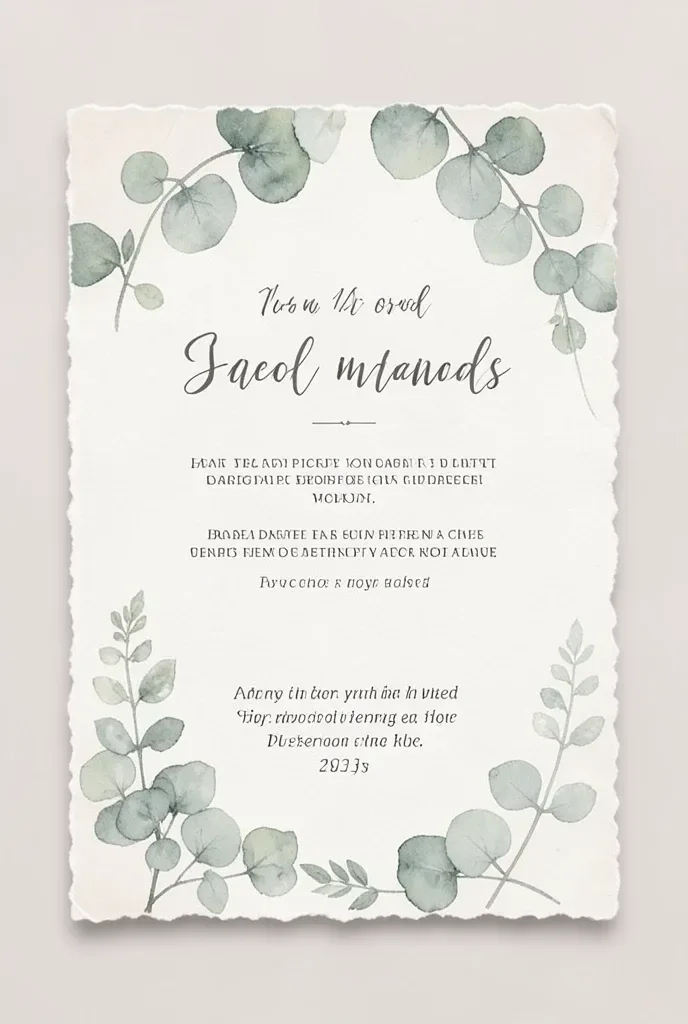
Botanical Eucalyptus Wedding Invitation: Create a cohesive illustration with purposeful shape language, palette, and visual storytelling.