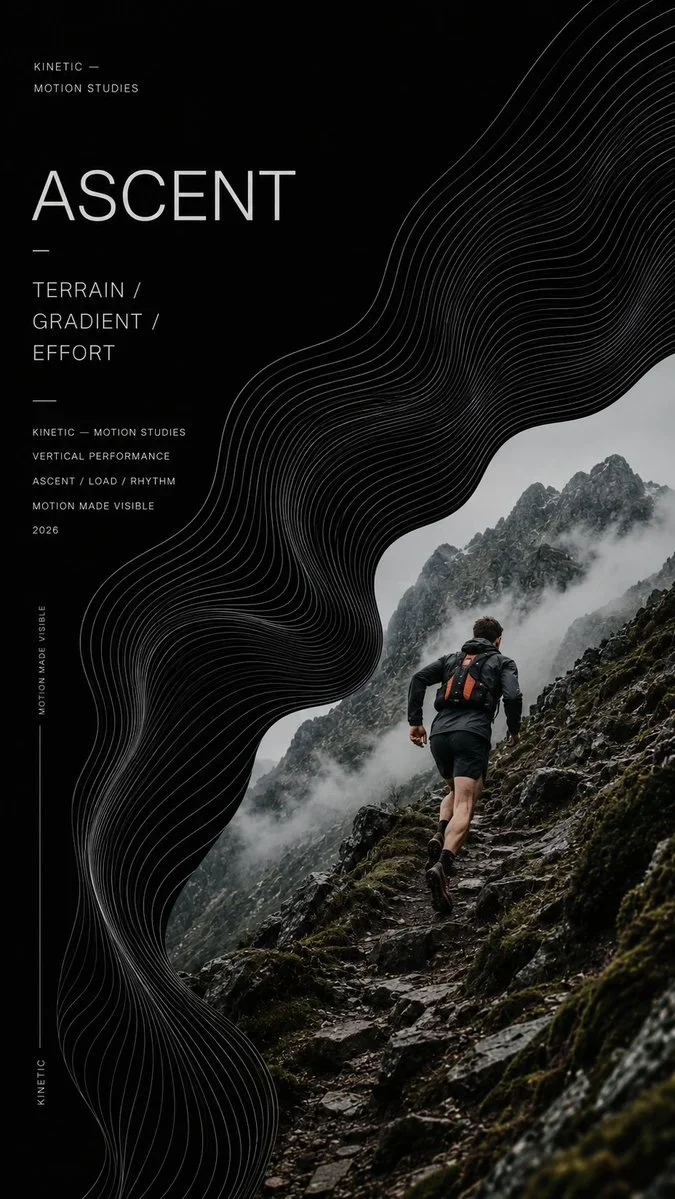
The prompt

The prompt defines the subject, layout, negative space, and graphic treatment so the result can support a clear poster composition. Its strongest visual cues are minimal, poster, typography.

image prompt
{{subject}}: {{subject}} {{title}}: {{title}} {{theme}}: {{theme}} [SCENE]: [Scene] [ACCENT COLOR]: {{accentColor}} [SHORT LINE]: {{shortLine}} {{format}}: 9:16 Create an experimental editorial poster combining photography, oversized typography, and subtle print texture. Use {{subject}} as the main visual inside [Scene]. Keep it realistic, distinctive, and large enough to hold the composition. The subject should feel like a real cultural or everyday observation, not a generic stock image. Set {{title}} in oversized bold condensed sans-serif type. Do not simply place the title over the image — let the subject and typography overlap, interrupt, frame, or pass behind each other so they become one composition. The typography can respond naturally to the subject’s shape, direction, or architecture. Use a warm off-white, concrete gray, or deep charcoal base with subtle paper grain and slightly aged print texture. Keep most of the palette neutral and use {{accentColor}} only in a few small lines, blocks, or graphic marks. Add restrained editorial details such as thin guide lines, diagrams, maps, grids, annotations, or geometric elements only when they support the subject. Keep the layout rich but controlled, with clear hierarchy and intentional negative space. Keep all supporting text meaningful and minimal. Avoid random placeholder words, excessive technical data, unnecessary numbering, logos, watermarks, sparkles, and decorative clutter. Overall style: contemporary editorial design × photographic collage × experimental typography × subtle neo-retro print aesthetics.

Tune the prompt, not the plumbing.

Every control comes from this prompt’s content schema. Changes stay in your browser and update instantly.

Customized prompt1753 characters
the main subject from your reference: the main subject from your reference the intended title: the intended title the intended theme: the intended theme [SCENE]: [Scene] [ACCENT COLOR]: the intended accent color [SHORT LINE]: the intended short line the intended format: 9:16 Create an experimental editorial poster combining photography, oversized typography, and subtle print texture. Use the main subject from your reference as the main visual inside [Scene]. Keep it realistic, distinctive, and large enough to hold the composition. The subject should feel like a real cultural or everyday observation, not a generic stock image. Set the intended title in oversized bold condensed sans-serif type. Do not simply place the title over the image — let the subject and typography overlap, interrupt, frame, or pass behind each other so they become one composition. The typography can respond naturally to the subject’s shape, direction, or architecture. Use a warm off-white, concrete gray, or deep charcoal base with subtle paper grain and slightly aged print texture. Keep most of the palette neutral and use the intended accent color only in a few small lines, blocks, or graphic marks. Add restrained editorial details such as thin guide lines, diagrams, maps, grids, annotations, or geometric elements only when they support the subject. Keep the layout rich but controlled, with clear hierarchy and intentional negative space. Keep all supporting text meaningful and minimal. Avoid random placeholder words, excessive technical data, unnecessary numbering, logos, watermarks, sparkles, and decorative clutter. Overall style: contemporary editorial design × photographic collage × experimental typography × subtle neo-retro print aesthetics.

Useful structure, room to move.

The prompt defines the subject, layout, negative space, and graphic treatment so the result can support a clear poster composition. Its strongest visual cues are minimal, poster, typography.

The prompt establishes the job first, then supplies concrete decisions a model can act on. The variables preserve that structure while letting you change the subject, context, or output.

Minimal Poster Design — image prompt preview