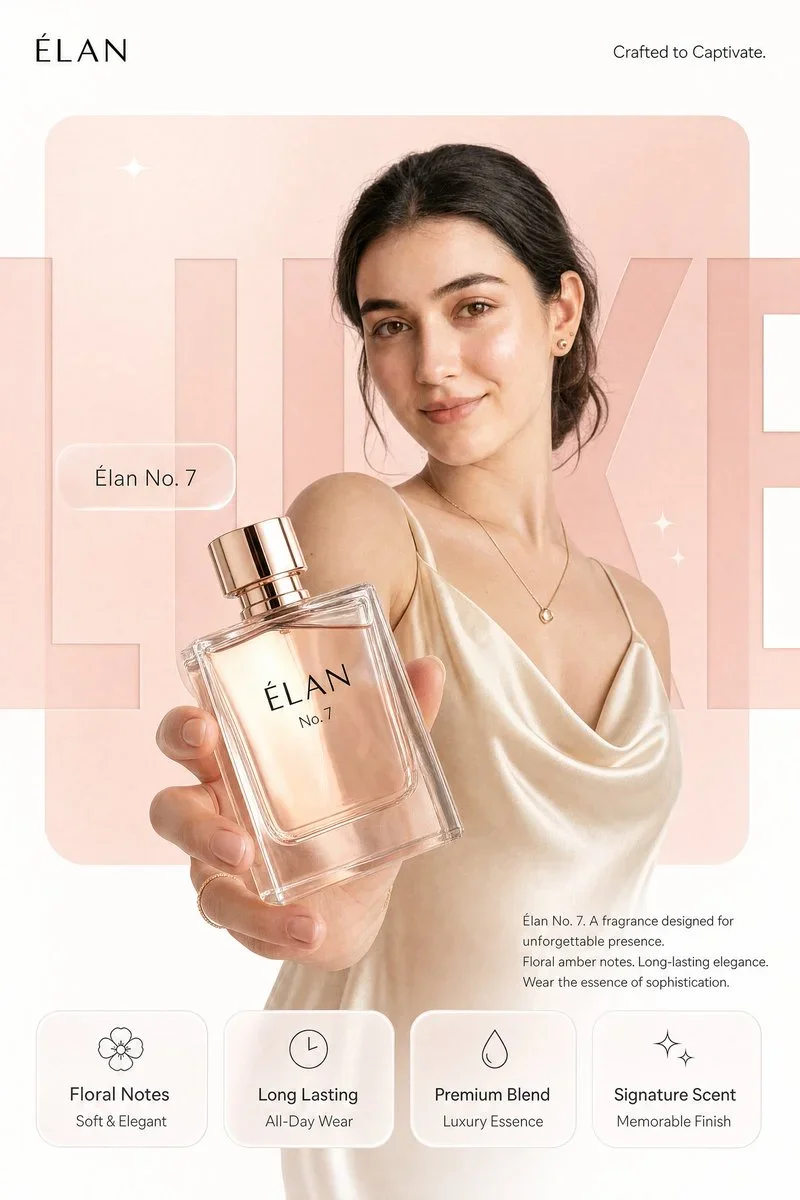
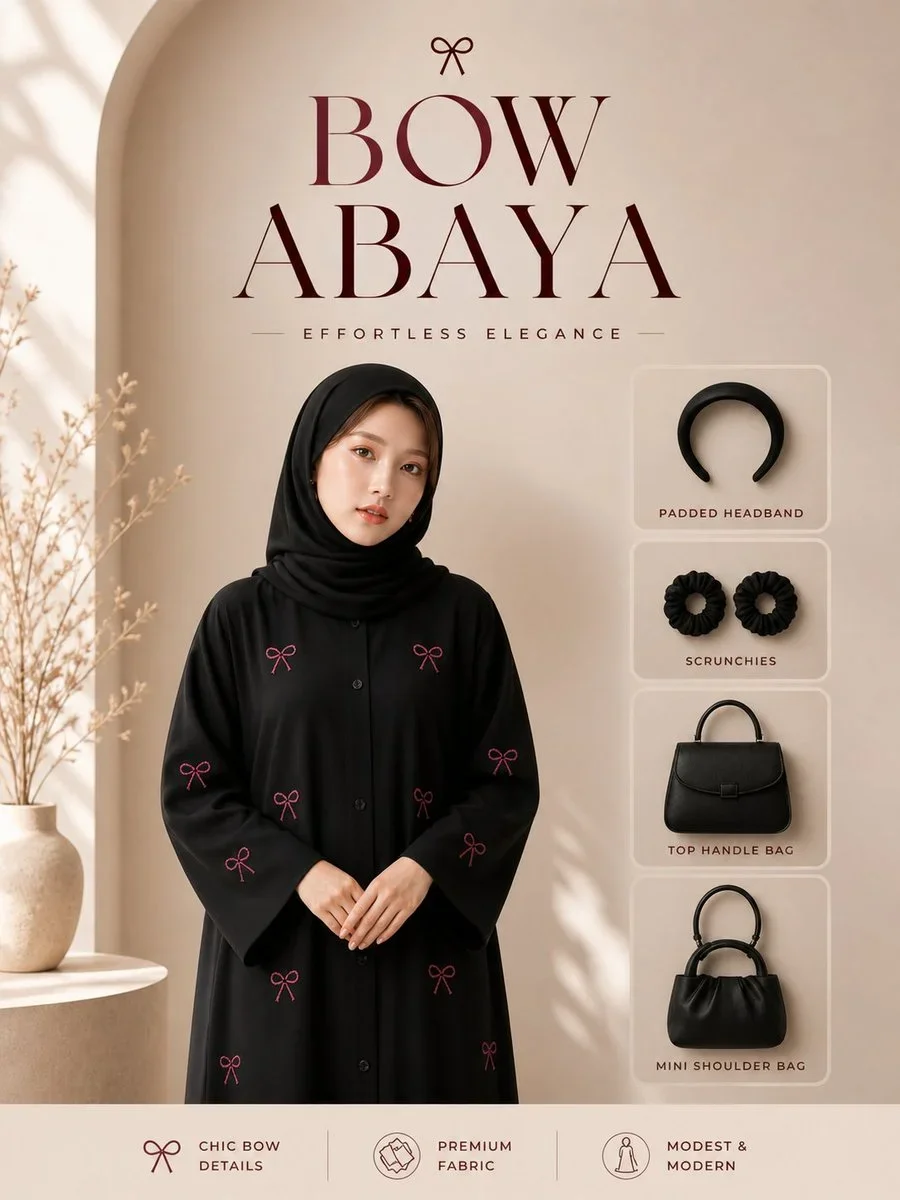
The prompt defines the subject, layout, negative space, and graphic treatment so the result can support a clear poster composition. Its strongest visual cues are minimal, food, interior.
image prompt
You are a professional interior design Mood Board creator. Based on the user-provided {{spaceType}} interior design photo, generate a vertical 3:4 high-end interior design mood board. The overall visual should reference professional interior design proposal graphics, presenting the aesthetic characteristics of {{styleKeywords}}. The image should possess the spatial atmosphere of {{moodKeywords}} and align with the premium design expression of {{brandingTone}}.
Scene Type: {{spaceType}}
Layout Requirements
Upper section: Present a high-resolution, photorealistic interior design render of {{spaceType}}.
The render must maintain consistency with the user's input photo in terms of spatial structure, furniture language, material relationships, color matching, and lighting atmosphere, while upgrading to a more complete, refined, and proposal-ready visual presentation.
Key focus: {{keyFurnitureElements}}, {{materialKeywords}}, {{colorPalette}}, {{lightingStyle}}.
Lower section: Display material and soft furnishing samples strictly corresponding to the space above, including:
Material swatches
Fabric samples
Color cards
Finish samples
Wood, stone, metal, glass, fabric, leather, or paint samples related to the space
All samples must be consistent with the space above and accurately reflect the core material and color logic of the design scheme.
Lower right corner: Place a Design Legend / Color Palette information panel, uniformly presenting:
Primary color
Secondary color
Accent color
Core materials
Finish description
Style keywords
Style & Output Requirements
Professional interior design firm-level mood board layout
Minimalist, clean, restrained, and orderly composition
Clear visual hierarchy with controlled white space
Materials, colors, fabrics, and finishes fully matched with the space above
Labels clear, modern, and concise with a high-end editorial design feel
Overall tone must conform to the intended style keywords
Present the intended render quality
Vertical 3:4 composition
4K Ultra HD
Ultra-high detail
Photorealistic rendering
Ready for image generation
Label Requirements
Each material or color sample must have a clear label, organized around the following information:
the intended label language material name, color name, finish name, or fabric type.
Label style should be concise, professional, and well-structured, without overwhelming the design.
Theme Definition
the intended space type Interior Design Mood Board
Style Direction: the intended style name
Keywords: the intended style keywords, the intended material keywords, the intended color palette, the intended mood keywords
Negative Constraints
Avoid cluttered collages, cheap poster-style visuals, mismatched materials and space, incorrect perspective, low-quality fonts, excessive decorative elements, cartoonish feel, oversaturated colors, chaotic information hierarchy, or pseudo-random material stacking.
Space Type: Bedroom
Style Name: Modern Mid-Century
Variables as replaceable fields:
the intended space type: Space type
Example: Living Room, Bedroom, Dining Room, Kitchen, Study, Entryway, Bathroom, Lounge, Hotel Lobby
the intended style name: Style name
Example: Modern Minimalist, Italian Minimalist, Wabi-sabi, Creamy, Light French, Modern Mid-Century, Nordic Natural, Dark Luxury, Japanese Wood, Contemporary Luxe
the intended style keywords: Style keywords
Example: modern minimalist, clean lines, refined luxury, warm contemporary
the intended mood keywords: Mood keywords
Example: Warm and tranquil, restrained elegance, airy and natural, calm and quiet luxury, bright and soft
the intended branding tone: Branding visual tone
Example: High-end design firm proposal feel, international家居品牌 aesthetics, editorial catalog style, luxurious yet restrained
the intended key furniture elements: Key furniture / styling elements
Example: Low-profile sofa, curved armchair, travertine coffee table, floating TV cabinet, floor lamp, art object
the intended material keywords: Key materials
Example: Ash, walnut, travertine, linen, wool, brushed metal, microcement, leather, glass
the intended color palette: Color palette
Example: Cream white, warm gray, oatmeal, caramel brown, charcoal gray, sage green, black walnut
the intended lighting style: Lighting style
Example: Natural diffused light, soft morning light, warm evening light, uniform gallery light, low-level ambient light
the intended label language: Label language
Example: English, Bilingual (Chinese & English), Chinese only
the intended render quality: Render quality description
Example: Photorealistic, high-end editorial rendering, luxury interior visualization
Tune the prompt, not the plumbing.
Every control comes from this prompt’s content schema. Changes stay in your browser and update instantly.
Customized prompt4757 characters
You are a professional interior design Mood Board creator. Based on the user-provided the intended space type interior design photo, generate a vertical 3:4 high-end interior design mood board. The overall visual should reference professional interior design proposal graphics, presenting the aesthetic characteristics of the intended style keywords. The image should possess the spatial atmosphere of the intended mood keywords and align with the premium design expression of the intended branding tone.
Scene Type: the intended space type
Layout Requirements
Upper section: Present a high-resolution, photorealistic interior design render of the intended space type.
The render must maintain consistency with the user's input photo in terms of spatial structure, furniture language, material relationships, color matching, and lighting atmosphere, while upgrading to a more complete, refined, and proposal-ready visual presentation.
Key focus: the intended key furniture elements, the intended material keywords, the intended color palette, the intended lighting style.
Lower section: Display material and soft furnishing samples strictly corresponding to the space above, including:
Material swatches
Fabric samples
Color cards
Finish samples
Wood, stone, metal, glass, fabric, leather, or paint samples related to the space
All samples must be consistent with the space above and accurately reflect the core material and color logic of the design scheme.
Lower right corner: Place a Design Legend / Color Palette information panel, uniformly presenting:
Primary color
Secondary color
Accent color
Core materials
Finish description
Style keywords
Style & Output Requirements
Professional interior design firm-level mood board layout
Minimalist, clean, restrained, and orderly composition
Clear visual hierarchy with controlled white space
Materials, colors, fabrics, and finishes fully matched with the space above
Labels clear, modern, and concise with a high-end editorial design feel
Overall tone must conform to the intended style keywords
Present the intended render quality
Vertical 3:4 composition
4K Ultra HD
Ultra-high detail
Photorealistic rendering
Ready for image generation
Label Requirements
Each material or color sample must have a clear label, organized around the following information:
the intended label language material name, color name, finish name, or fabric type.
Label style should be concise, professional, and well-structured, without overwhelming the design.
Theme Definition
the intended space type Interior Design Mood Board
Style Direction: the intended style name
Keywords: the intended style keywords, the intended material keywords, the intended color palette, the intended mood keywords
Negative Constraints
Avoid cluttered collages, cheap poster-style visuals, mismatched materials and space, incorrect perspective, low-quality fonts, excessive decorative elements, cartoonish feel, oversaturated colors, chaotic information hierarchy, or pseudo-random material stacking.
Space Type: Bedroom
Style Name: Modern Mid-Century
Variables as replaceable fields:
the intended space type: Space type
Example: Living Room, Bedroom, Dining Room, Kitchen, Study, Entryway, Bathroom, Lounge, Hotel Lobby
the intended style name: Style name
Example: Modern Minimalist, Italian Minimalist, Wabi-sabi, Creamy, Light French, Modern Mid-Century, Nordic Natural, Dark Luxury, Japanese Wood, Contemporary Luxe
the intended style keywords: Style keywords
Example: modern minimalist, clean lines, refined luxury, warm contemporary
the intended mood keywords: Mood keywords
Example: Warm and tranquil, restrained elegance, airy and natural, calm and quiet luxury, bright and soft
the intended branding tone: Branding visual tone
Example: High-end design firm proposal feel, international家居品牌 aesthetics, editorial catalog style, luxurious yet restrained
the intended key furniture elements: Key furniture / styling elements
Example: Low-profile sofa, curved armchair, travertine coffee table, floating TV cabinet, floor lamp, art object
the intended material keywords: Key materials
Example: Ash, walnut, travertine, linen, wool, brushed metal, microcement, leather, glass
the intended color palette: Color palette
Example: Cream white, warm gray, oatmeal, caramel brown, charcoal gray, sage green, black walnut
the intended lighting style: Lighting style
Example: Natural diffused light, soft morning light, warm evening light, uniform gallery light, low-level ambient light
the intended label language: Label language
Example: English, Bilingual (Chinese & English), Chinese only
the intended render quality: Render quality description
Example: Photorealistic, high-end editorial rendering, luxury interior visualization
Useful structure, room to move.
The prompt defines the subject, layout, negative space, and graphic treatment so the result can support a clear poster composition. Its strongest visual cues are minimal, food, interior.
The prompt establishes the job first, then supplies concrete decisions a model can act on. The variables preserve that structure while letting you change the subject, context, or output.
Reference Image Instruction: Use The Uploaded Product: Design a poster with a strong focal hierarchy, controlled palette, and intentional print character.